Satisfaction Guaranteed
All products are handled with strict quality standards to ensure consistent research-grade excellence.
Secure Ordering
Our checkout is SSL encrypted and completely secure.
Third-party Tested
Our products are verified by independent third party laboratories to meet quality standards.
Batch & Lot Tracking
All product batches and lots are assigned unique identifiers and tied to publicly posted lab reports.
Endless Commitment
We are committed to helping our customers. If you have any questions or concerns, please reach out through our Contact Us page.
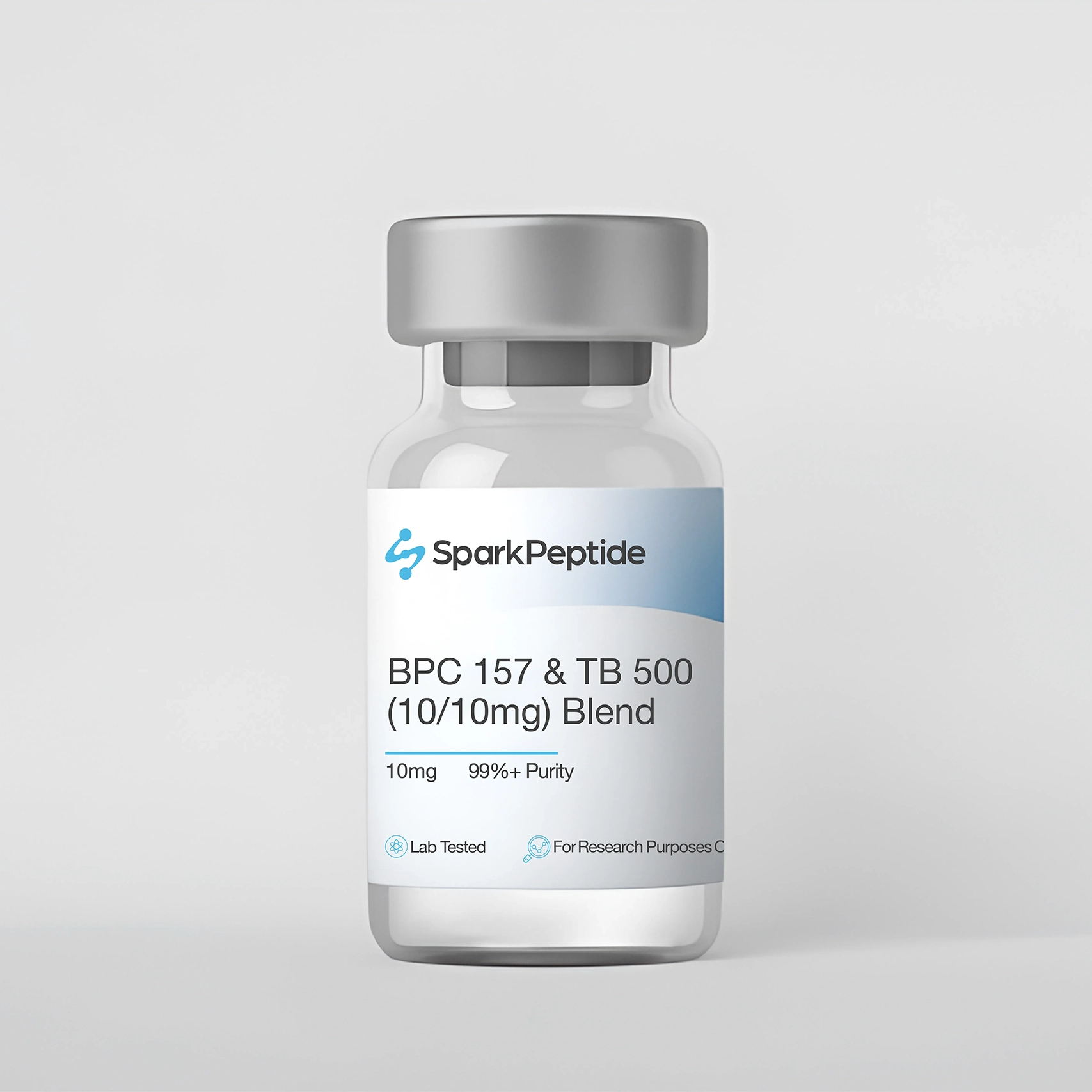
BPC-157 & TB-500
$74.99 – $139.99Price range: $74.99 through $139.99
Save 5.01$ (3% Off)
Discount per Quantity
| Quantity | Discount | Price |
|---|---|---|
| 5 - 10 | 5% | $132.99 |
| 11 - 20 | 10% | $125.99 |
| 21+ | 15% | $118.99 |
Rigorous Third-Party Testing
Every batch of our research chemicals and peptides undergoes third-party testing.
*Disclaimer: This product is intended solely for laboratory research purposes. It is not suitable for consumption by humans, nor for medical, veterinary, or household purposes. Kindly review our Terms & Conditions before making a purchase.

Always quality-tested, verified with third party COA’s
At every step, we prioritize quality by conducting rigorous third-party testing on all our products. These tests focus on five key characteristics- identity, purity, sterility, and endotoxin levels, and heavy metal content-ensuring that each product meets the highest standards of quality with independent third-party Certificates of Analysis (COAS) to verify our commitment to excellence.
Identity Test
Purity Test
Sterility Test
Endotoxin Test
Heavy Metals Test
Identity Test
Purity Test
Sterility Test
Endotoxin Test
Heavy Metals Test
*Disclaimer: This product is intended solely for laboratory research purposes. It is not suitable for consumption by humans, nor for medical, veterinary, or household purposes.Kindly review our Terms & Conditions before making a purchase.
BPC-157 & TB-500 Blend Overview
The BPC-157 & TB-500 blend combines two well-characterized experimental peptides with complementary roles in regenerative biology models. Sourcing both compounds in a single formulation simplifies preparation while ensuring consistent molar ratios across experimental replicates, but it can also introduce uncertainty into your experimentation. That’s why buying peptide blends from a trusted supplier with rigorous quality and purity testing protocols is critical. Spark Peptide uses gold-standard analytical testing methods, such as HPLC and Mass Spectrometry, working with third-party labs to ensure independent results with batch-specific Certificates of Analysis. This gives researchers high confidence and supports reproducibility across receptor signaling assays, tissue-regeneration models, and related laboratory pathway investigations. Buy our BPC-157 & TB-500 Blend for predictable research results and industry-leading customer support across the US.Molecular Origin
BPC-157 & TB-500 is a research blend composed of two peptides with distinct biological origins and molecular classifications. BPC-157, or Body Protection Compound-157, is a synthetic pentadecapeptide derived from a naturally occurring protective protein sequence identified in human gastric juice. Early characterization of BPC-related peptides occurred during gastrointestinal peptide research in the 1990s, when investigators studied cytoprotective signaling molecules involved in tissue maintenance and repair pathways. TB-500 represents a synthetic fragment of thymosin beta-4, a naturally occurring actin-binding protein found in many mammalian tissues. Thymosin beta-4 was first isolated and characterized in the 1960s during thymic peptide research exploring immune and cellular regulatory proteins. Both peptides are produced through solid-phase peptide synthesis (SPPS), a laboratory method that allows precise assembly of amino acids in a defined sequence. This method of synthesizing peptides results in consistent structural replication of biologically active peptide domains. Manufacturers can produce high-purity research material consistently, making the compounds useful tools for investigating sensitive mechanisms such as cellular signaling, cytoskeletal dynamics, and tissue repair pathways.Purity & Quality Standards
Thanks to our rigorous quality standards, BPC-157 & TB-500 for sale by Spark Peptide is maintained at 99.9%+ purity or better. Our manufacturing labs follow cGMP-certified processes aligned with ISO 9001:2015 quality management standards to support consistency across production batches. Past the manufacturing stage, each lot also undergoes third-party testing following Spark Peptide’s signature 6X Safety Testing protocol to check for heavy metal screening, endotoxin testing, bacterial contamination analysis, and solubility and stability assessment. Certificates of Analysis are provided for every batch to support lab documentation and auditing. Once purity and identity have been confirmed, the peptides are supplied in lyophilized form and packaged to help limit temperature fluctuations during shipping. Additional analytical and safety documentation is available through the Tests & Safety page.BPC-157 & TB-500 Mechanism of Action
Because it contains two distinct peptides, the BPC-157 & TB-500 blend engages two distinct but functionally complementary signaling networks, with each peptide contributing discrete receptor-level activity that converges on shared downstream pathways relevant to cytoskeletal organization, vascular signaling, and cellular stress response.Receptor Binding & Primary Signaling
BPC-157 and TB-500 both influence cellular behavior through distinct but partially overlapping signaling mechanisms, which are particularly relevant to laboratory models examining angiogenesis, cytoskeletal dynamics, endothelial cell migration, and extracellular matrix remodeling. Unlike classical peptide hormones with a single defined receptor, BPC-157 appears to interact with multiple regulatory pathways associated with vascular and nitric oxide signaling. Experimental studies suggest that BPC-157 modulates the nitric oxide (NO) system and endothelial signaling networks, influencing pathways linked to vascular homeostasis and cytoprotection. Animal studies also indicate that BPC-157 can affect endothelial nitric oxide synthase (eNOS) activity and related signaling processes that regulate local vascular responses and cell survival pathways[1]. On the other hand, TB-500 is a synthetic fragment corresponding to the biologically active region of thymosin β4, a naturally occurring actin-binding peptide involved in cytoskeletal organization. Rather than binding a classical receptor, thymosin β4 peptides interact directly with globular actin (G-actin), regulating actin polymerization and intracellular filament dynamics. This interaction influences cell migration and cytoskeletal remodeling processes fundamental to tissue repair studies. Structural analyses also indicate that thymosin β4–derived peptides bind actin monomers with high affinity, preventing premature filament formation while maintaining a pool of polymerization-competent actin for cellular remodeling[2][4]. Together, these mechanisms position the peptide blend as a useful research tool for investigating signaling environments involving endothelial regulation, cytoskeletal dynamics, and cellular migration processes.Downstream Biological Cascades
Following modulation of nitric oxide signaling and cytoskeletal organization, several downstream cellular cascades have been observed in experimental models studying BPC-157, thymosin β4, and Tβ4 derivatives. For instance, BPC-157 has been reported to influence intracellular signaling pathways associated with angiogenesis and vascular regulation, including PI3K/Akt and ERK/MAPK pathways. Activation of these cascades has been linked in laboratory studies to endothelial cell migration, proliferation, and expression of angiogenic mediators such as vascular endothelial growth factor (VEGF).These effects have primarily been documented in in vitro endothelial assays and rodent injury models designed to examine vascular remodeling and tissue repair signaling networks[4]. For their part, peptides related to TB-500 influence downstream processes largely through regulation of actin dynamics. By controlling the availability of monomeric actin and facilitating cytoskeletal reorganization, thymosin β4 fragments contribute to cellular migration and differentiation responses observed in wound-healing and regeneration models[5]. Experimental findings have also connected thymosin β4 signaling with activation of integrin-linked kinase pathways and modulation of transcription factors involved in cytoskeletal remodeling and extracellular matrix interactions[6]. At the systems level, these signaling cascades intersect with vascular, connective tissue, and inflammatory regulatory networks frequently examined in regenerative biology research. Experimental studies therefore often use these peptides to investigate coordinated signaling events governing cellular migration, angiogenic regulation, and structural tissue remodeling.Key Scientific Features & Chemical Profile of BPC-157 & TB-500
As a researcher, understanding the unique molecular structures and pharmacological profiles of BPC-157 and TB-500 is essential for evaluating their distinct regenerative mechanisms and synergistic potential in laboratory research.Molecular Data
| Property | Value |
| Molecular Formula | BPC-157: C62H98N16O22 TB-500: C212H350N56O78S |
| Molecular Weight | BPC-157: 1419.5 g/mol TB-500: 4963 g/mol |
| Amino Acid Sequence | BPC-157: GEPPPGKPADDAGLV TB-500: SDKPDMAEXEKFDKSKLKKXEXQEKNPLPSKEXXEQEKQAGES |
| CAS Number | BPC-157: 137525-51-0 TB-500: 885340-08-9 |
| PubChem CID | BPC-157: 9941957 TB-500: 45382195 |
| Synonyms | BPC-157: Pentadecapeptide BPC 157, Bepecin TB-500: Ac-LKKTETQ (the active fragment), TB-500 Acetate, Thymosin Beta-4, (Tβ4) |
| Physical Form | Lyophilized white powder |
| Solubility | Soluble in water and bacteriostatic water |
| Storage | -4°F (-20°C), desiccated, protected from light |
Analytical Verification
Analytical verification is critical for research integrity when working with the BPC-157 & TB-500 blend, as even minor contaminants can lead to "off-target" effects or inconsistent data. To address this, Spark Peptide performs core analytical procedures, as well as a rigorous 6x Safety Testing Protocol, and provides a comprehensive Certificate of Analysis (COA) for every batch.Core Analytical Procedures: High-Performance Liquid Chromatography (HPLC)
This is the primary method used to quantify chemical purity. By passing the peptide through a specialized column under high pressure, the system separates the target peptide from any synthesis byproducts, such as truncated sequences or residual solvents. Spark Peptide relies on UV detection at specific wavelengths (214 nm or 220 nm) to ensure that the primary peak, which is the pure peptide, represents at least 99.9% of the total sample area.Core Analytical Procedures: Mass Spectrometry (MS)
While HPLC measures purity, Mass Spectrometry confirms molecular identity. This process "weighs" the peptide at an atomic level to verify that the 15-amino acid sequence of BPC-157 or the specific fragment of TB-500 has been assembled correctly. The observed molecular mass must match the theoretical mass (approximately 1419.5 Da for BPC-157) within an extremely tight tolerance to pass verification.The 6X Safety Testing Protocol
Beyond basic purity, Spark Peptide implements a rigorous multi-stage safety screen designed to eliminate any variables that could compromise laboratory research outcomes:- Heavy Metals Screening: Detects trace elements like lead, arsenic, or mercury that can inadvertently enter the supply chain during chemical synthesis.
- Endotoxin Testing: Specifically screens for lipopolysaccharides (LPS). This is critical because even "pure" peptides can carry endotoxins that trigger unwanted inflammatory responses in cell cultures or animal models.
- Bacterial Contamination Analysis: Ensures the lyophilized powder is completely sterile and free from microbial growth.
- Solubility Verification: Confirms that the peptide dissolves fully in standard laboratory buffers (like PBS or bacteriostatic water) without precipitation, ensuring accurate dosing.
- Stability Assessment: Evaluates the compound's resilience to degradation under various temperature and light conditions, providing researchers with reliable storage guidelines.
- Batch-Specific Re-Verification: A final cross-check of all analytical data against the specific lot number to ensure total traceability and experimental reproducibility.
Storage, Handling, and Reconstitution
Preserving the integrity of both peptide components requires consistent adherence to recommended storage conditions, careful reconstitution technique, and standard laboratory handling practices throughout the duration of experimental use.Recommended Storage Conditions
For optimal stability, lyophilized BPC-157 & TB-500 should be stored at -4°F (-20°C) in a desiccated environment protected from light and moisture. In this freeze-dried state, the peptide blend maintains a shelf life of up to 24 months. Once reconstituted, the solution must be refrigerated at 36–46°F (2–8°C) and used within 14 to 21 days to prevent degradation. Always ensure vials remain hermetically sealed until the point of research application.Reconstitution Protocol
The following procedure should be used to transition the lyophilized powder into a liquid phase for laboratory analysis:- Equilibrate the vial to room temperature (approximately 68–77°F (20–25°C)), before beginning the protocol to prevent moisture condensation.
- Using a sterile syringe, draw the required volume of solvent, typically 1 ml to 5 ml of Bacteriostatic Water 10ml.
- Insert the needle through the stopper and aim the stream slowly along the internal glass wall to minimize impact on the peptide cake.
- Allow the solvent to naturally saturate the powder; do not shake or vortex the vial, as mechanical stress can denature the peptide chains.
- Gently swirl the vial until the solution is completely clear and free of visible particulates.
- Immediately transfer the reconstituted solution to cold storage at 36–46°F (2–8°C).
Handling Precautions
When handling research peptides and peptide blends, strict adherence to laboratory safety standards is required. As per standard protocols, operate within a sterile environment or laminar flow hood to prevent cross-contamination. Use appropriate PPE, including nitrile gloves and laboratory coats. For stability of the material, avoid repeated freeze-thaw cycles of reconstituted solutions, as this significantly reduces biological activity. Please note that this compound is supplied strictly for laboratory research use only and is not intended for human or veterinary diagnostic or therapeutic applications.BPC-157 & TB-500 Blend Research & Scientific Applications
BPC-157 and TB-500 are widely studied in experimental models examining cellular migration, cytoskeletal organization, angiogenic signaling, and tissue remodeling pathways. Preclinical data suggests that these peptides influence endothelial activity and actin dynamics that regulate cell motility and vascular responses. Published findings indicate that combined investigation of these molecules can help researchers explore interconnected mechanisms governing extracellular matrix remodeling, angiogenesis, and regenerative signaling processes.Preclinical & In Vitro Research
In vitro studies investigating BPC-157 frequently focus on endothelial signaling and nitric oxide–related regulatory pathways. Experimental cell culture systems have demonstrated that BPC-157 modulates endothelial nitric oxide synthase (eNOS) activity and influences vascular signaling cascades linked to angiogenic processes. In cultured endothelial cells, published findings indicate measurable changes in migration rates, cytoskeletal organization, and expression of angiogenic mediators such as vascular endothelial growth factor (VEGF), suggesting a role for BPC-157 in studying vascular repair signaling environments[1]. Additional laboratory investigations have examined transcriptional responses following BPC-157 exposure in fibroblast and epithelial cell systems. These studies report modulation of signaling pathways associated with extracellular matrix regulation and cellular survival mechanisms, including activation of ERK/MAPK and PI3K/Akt pathways observed through phosphorylation assays and gene expression analysis[3]. Such signaling changes are typically quantified through biochemical markers such as kinase activation profiles, transcription factor activity, and downstream gene expression patterns. Similarly, research involving TB-500 or thymosin β4–derived peptides is often focused on cytoskeletal regulation within cell culture models. In vitro assays have shown that thymosin β4 fragments regulate actin polymerization dynamics by binding globular actin monomers, maintaining a reserve pool for filament formation during cellular migration. Experimental models using fibroblasts, keratinocytes, and endothelial cells demonstrate enhanced cell motility and altered cytoskeletal organization measurable through actin filament staining and migration assays[4]. Together, these peptides are often used in laboratory investigations examining coordinated signaling between cytoskeletal remodeling and vascular regulatory pathways.Animal Model Observations
Animal research has provided additional insight into the physiological signaling networks influenced by BPC-157 and thymosin β4–derived peptides. Rodent models examining vascular and connective tissue signaling have reported measurable changes in angiogenic biomarkers following experimental administration of BPC-157[1]. Studies evaluating endothelial activity observed increased expression of VEGF and associated angiogenic markers in injured tissue environments, along with enhanced microvascular density detected through histological analysis. Additional rodent experiments investigating BPC-157 have reported modulation of nitric oxide–related pathways within vascular tissue. Experimental findings suggest altered expression of endothelial nitric oxide synthase and related signaling mediators involved in vascular tone and endothelial cell migration. These observations are typically measured through biochemical assays evaluating NO pathway activity and downstream signaling markers associated with endothelial function[2]. Animal studies involving thymosin β4 and related peptide fragments such as TB-500 have primarily examined cellular migration and tissue remodeling processes. Experimental models of dermal and muscular injury have demonstrated increased cellular migration and reorganization of actin filaments within regenerating tissue. Histological analyses in rodent models report increased cellular infiltration and structural remodeling in damaged tissue areas, accompanied by measurable changes in cytoskeletal protein expression and extracellular matrix organization[8]. Collectively, these findings highlight the role of BPC-157 and TB-500 in experimental investigations of angiogenic signaling, cytoskeletal regulation, and tissue remodeling processes observed in controlled animal research environments.BPC-157 & TB-500 Blend: Comparative Analysis
BPC-157 and TB-500 are two of the most researched peptides in the field of regenerative science, each offering distinct yet complementary pathways for tissue recovery and cellular repair. While both are frequently studied for their roles in modulating angiogenesis, collagen synthesis, and inflammatory responses, they function through unique molecular mechanisms that researchers often leverage to target specific recovery goals, ranging from tendon and gastrointestinal integrity to systemic muscle remodeling.Comparison to Standard Analogs
Unlike a single-sequence comparator, this blend combines two mechanistically different systems in one vial. BPC-157 is a 15-amino-acid gastric pentadecapeptide whose experimental literature centers on nitric-oxide-linked signaling, endothelial regulation, and angiogenic pathway modulation. Its signaling profile is unusual in that no single canonical receptor has been conclusively established, and several studies instead describe pathway-level effects involving Src-Cav-1-eNOS and VEGFR2/Akt signaling. TB-500, by contrast, is used as a thymosin-β4 analogue and is studied primarily for actin sequestration, cytoskeletal remodeling, focal adhesion behavior, and cell migration dynamics. Thymosin β4 forms a 1:1 complex with G-actin and functions more like an intracellular actin-buffering regulator than a classical receptor-selective ligand. Compared with BPC-157 alone, the blend broadens the experimental frame from predominantly endothelial/NO-pathway investigation to combined endothelial-plus-cytoskeletal signaling. Compared with TB-500 alone, this blend combines a peptide with notable gastric stability and a more vascular-signaling-oriented literature base. In practical research terms, that makes the blend more suitable for studies investigating the intersection of migration, matrix remodeling, and endothelial signaling, whereas the single agents are cleaner tools when the goal is to isolate one mechanistic axis. The pharmacokinetic interpretation is also different: BPC-157 is frequently described as stable in human gastric juice, but formal receptor pharmacology and systemic PK remain less well defined in the literature. Thymosin β4, on the other hand, has published plasma PK data showing an hours-scale half-life after administration, although those data apply to thymosin β4 itself rather than a mixed BPC-157/TB-500 formulation. No blend-specific PK profile appears to be established in the published literature.| Parameter | BPC-157 & TB-500 Blend | BPC-157 | TB-500 |
| Half-life / Stability | No blend-specific PK established; component behavior expected to reflect mixed formulation | Noted for stability in human gastric juice; formal systemic PK remains limited | Thymosin β4 literature reports hours-scale plasma persistence |
| Receptor Selectivity | Mixed, non-unified profile | No universally validated single receptor; pathway-level endothelial/NO signaling effects | Not a classical receptor-selective ligand; primarily actin-monomer binding biology |
| Primary Mechanism | Parallel endothelial signaling plus cytoskeletal remodeling | Src-Cav-1-eNOS, VEGFR2/Akt, nitric oxide–linked signaling | 1:1 G-actin sequestration, actin buffering, migration/focal adhesion regulation |
| Research Applications | Combined migration, angiogenesis, matrix-remodeling models | Endothelial signaling, vascular response, barrier and repair-pathway studies | Cytoskeletal dynamics, cell motility, actin-organization studies |
Peer-Reviewed Research & Citations
1) Hsieh MJ, Lee CH, Chueh HY, Chang GJ, Huang HY, Lin Y, Pang JS. "Modulatory effects of BPC 157 on vasomotor tone and the activation of Src-Caveolin-1-endothelial nitric oxide synthase pathway." Scientific Reports, vol. 10, no. 1, pp. 17078, 2020. PMID: 33051481 / DOI: 10.1038/s41598-020-74022-y 2) Rahman OF, Lee SJ, Seeds WA. "Therapeutic Peptides in Orthopaedics: Applications, Challenges, and Future Directions." Journal of the American Academy of Orthopaedic Surgeons Global Research & Reviews, vol. 10, no. 1, pp. e25.00236, 2026. PMID: 41490200 / DOI: 10.5435/JAAOSGlobal-D-25-00236 3) Chang CH, Tsai WC, Hsu YH, Pang JH. "Pentadecapeptide BPC 157 enhances the growth hormone receptor expression in tendon fibroblasts." Molecules, vol. 19, no. 11, pp. 19066–19077, 2014. PMID: 25415472 / DOI: 10.3390/molecules191119066 4) Carlier MF, Jean C, Rieger KJ, Lenfant M, Pantaloni D. "Modulation of the interaction between G-actin and thymosin beta 4 by the ATP/ADP ratio: possible implication in the regulation of actin dynamics." Proceedings of the National Academy of Sciences of the United States of America, vol. 90, no. 11, pp. 5034–5038, 1993. PMID: 8506348 / DOI: 10.1073/pnas.90.11.5034 5) Nguyen MT, Dash R, Jeong K, Lee W. "Role of Actin-Binding Proteins in Skeletal Myogenesis." Cells, vol. 12, no. 21, pp. 2523, 2023. PMID: 37947600 / DOI: 10.3390/cells12212523 6) Xing Y, Ye Y, Zuo H, Li Y. "Progress on the Function and Application of Thymosin β4." Frontiers in Endocrinology, vol. 12, pp. 767785, 2021. PMID: 34992578 / DOI: 10.3389/fendo.2021.767785 7) Huang T, Zhang K, Sun L, Xue X, Zhang C, Shu Z, Mu N, Gu J, Zhang W, Wang Y, Zhang Y, Zhang W. "Body protective compound-157 enhances alkali-burn wound healing in vivo and promotes proliferation, migration, and angiogenesis in vitro." Drug Design, Development and Therapy, vol. 9, pp. 2485–2499, 2015. PMID: 25995620 / DOI: 10.2147/DDDT.S82030 8) Wang F, He Y, Yao N, Ruan L, Tian Z. "Thymosin β4 Protects against Cardiac Damage and Subsequent Cardiac Fibrosis in Mice with Myocardial Infarction." Cardiovascular Therapeutics, vol. 2022, pp. 1308651, 2022. PMID: 35712678 / DOI: 10.1155/2022/1308651Certificate of Analysis & Lab Reports
The Certificate of Analysis documents the analytical results associated with the specific manufacturing batch supplied to researchers. It confirms compound identity through analytical testing methods such as mass spectrometry, verifies purity through HPLC chromatographic analysis, and reports safety parameters including contaminant screening. The COA also provides batch traceability information, including lot identification, testing dates, and analytical methods used during verification. This documentation allows labs and research institutions to review batch-specific quality data and confirm that the peptide material meets the analytical specifications reported for that production lot.HPLC Analysis Report
High-Performance Liquid Chromatography (HPLC) is used to evaluate the chemical purity of the peptide preparation. In reverse-phase HPLC (RP-HPLC), the sample is passed through a chromatographic column where individual components separate based on differences in hydrophobic interactions with the stationary phase. This separation allows analytical software to quantify the primary peptide peak relative to any detectable impurities within the sample. This batch: 99.98% purity via RP-HPLCMass Spectrometry Report
Mass spectrometry (MS) is used to confirm the molecular identity of the peptide by measuring the mass-to-charge ratio (m/z) of ionized peptide fragments generated during analysis. The resulting spectral pattern is compared with the theoretical molecular mass calculated from the peptide’s amino acid sequence. Agreement between the observed and expected molecular mass confirms the structural identity of the compound.Additional Safety Screening
In addition to HPLC purity testing and mass spectrometry identity verification, Spark Peptide performs additional analytical screening as part of its 6X Safety Testing protocol. Each batch undergoes heavy metals screening for lead, mercury, arsenic, and cadmium, endotoxin testing using the Limulus Amebocyte Lysate (LAL) assay, and bacterial contamination analysis. These tests help verify chemical safety and laboratory suitability. Complete analytical reports are available upon request or through the Spark Peptide Tests & Safety page.Legal Disclaimer
For Laboratory Research Use Only. All products sold by Spark Peptide are strictly intended for laboratory research use only. These materials are not for human consumption and are not intended for medical, veterinary, diagnostic, or household use of any kind. Spark Peptide operates solely as a research chemical supplier. We are not a compounding pharmacy and do not operate as a compounding facility as defined under Section 503A of the Federal Food, Drug, and Cosmetic Act. Additionally, Spark Peptide is not registered as an outsourcing facility under Section 503B of the Act. By purchasing from our site, you agree to use our products exclusively for lawful laboratory research purposes. Any misuse is strictly prohibited.Product FAQ for Researchers
What purity level does Spark Peptide’s BPC-157 & TB-500 (10/10mg) Blend achieve?
Spark Peptide supplies BPC-157 & TB-500 produced to 99.9%+ purity verified through High-Performance Liquid Chromatography (HPLC). Molecular identity is further confirmed using mass spectrometry analysis. Each batch also undergoes Spark Peptide’s 6X Safety Testing protocol, which includes heavy metal screening, endotoxin testing, bacterial contamination analysis, and stability verification. Batch-specific Certificates of Analysis (COA) document these analytical results for laboratory review.How should BPC-157 & TB-500 be reconstituted for laboratory preparation?
Researchers typically reconstitute the lyophilized peptide blend using sterile bacteriostatic water. Before preparation, the vial should be allowed to reach room temperature to prevent condensation. The solvent should then be introduced slowly along the inner wall of the vial to avoid disrupting the peptide cake, while gentle swirling helps dissolve the powder while avoiding vortexing.What are the recommended storage conditions for BPC-157 & TB-500?
Lyophilized BPC-157 & TB-500 should be stored at −4°F (−20°C) in a dry environment protected from light and moisture. Under these conditions, the peptide blend typically remains stable for up to approximately 24 months. After reconstitution, the solution should be refrigerated at 36–46°F (2–8°C) and maintained under sterile laboratory conditions to preserve structural integrity.Does BPC-157 & TB-500 come with a Certificate of Analysis?
Yes. Each order includes a batch-specific Certificate of Analysis documenting analytical verification results. The COA confirms compound identity, purity levels, and safety screening parameters such as endotoxin and contaminant testing. These analyses are conducted through independent analytical laboratories. Researchers can view or download the corresponding COA directly from the product page for the specific batch supplied.How are Spark Peptide products packaged and shipped?
Spark Peptide peptides are supplied in lyophilized form to maintain stability during transit. Vials are packaged using protective materials designed to limit temperature fluctuations during standard shipping conditions. Orders are handled according to standard laboratory supply practices, and Spark Peptide provides free shipping on qualifying orders above $200.What peptides are included in the BPC-157 & TB-500 blend?
The formulation combines two research peptides studied in tissue remodeling and cellular signaling models. BPC-157 is a synthetic pentadecapeptide derived from a gastric protective protein sequence, while TB-500 represents a synthetic analog of thymosin β4, an actin-binding peptide involved in cytoskeletal regulation. Experimental systems commonly use these peptides to investigate interactions between endothelial signaling pathways, actin dynamics, and cellular migration processes.| Property | Detail |
|---|---|
| Name | BPC-157 + TB-500 Blend (combination of a stable gastric pentadecapeptide and a synthetic thymosin beta-4 fragment) |
| Also Known As | Wolverine Blend |
| Components | BPC-157 (15–amino-acid peptide); TB-500 (synthetic fragment corresponding to the active domain of thymosin beta-4) |
| Sequence | BPC-157: Gly-Glu-Pro-Pro-Pro-Gly-Lys-Pro-Ala-Asp-Asp-Ala-Gly-Leu-Val; TB-500: synthetic peptide fragment derived from thymosin beta-4 (exact fragment length varies by formulation) |
| Molecular Formula | BPC-157: C62H98N16O22 / TB-500: C212H350N56O78S |
| Molecular Weight | BPC-157: ~1.4 kDa; TB-500: ~4.9 kDa (approximate values) |
| Format | Lyophilized powder supplied in 5mg & 10mg vials (combined peptide blend) |
| Total Amount | 20mg (10mg BPC-157 + 10mg TB-500) |
| Purity | ≥99% per component, verified by lot-specific Certificates of Analysis (COAs) |
| Solubility | Soluble in bacteriostatic water or appropriate research-grade buffers |
| Storage | –20 °C (–4 °F), protected from light and moisture; long-term: –80 °C to –20 °C |
| Batch | EP-250414-BT10 |
| Supplier | Spark Peptide |
Related products
-
Peptides
Tesamorelin (10mg)
$100.00Original price was: $100.00.$89.99Current price is: $89.99. Purchase & earn 90 points!Add to cart -
Peptides
Selank (10mg)
$60.00Original price was: $60.00.$54.99Current price is: $54.99. Purchase & earn 55 points!Add to cart -
Peptides
GLP-1 (S) (10mg)
$105.00Original price was: $105.00.$69.99Current price is: $69.99. Purchase & earn 70 points!Add to cart -
Peptides
BPC-157
$39.99 – $64.99Price range: $39.99 through $64.99 Purchase & earn 65 points!Select options